
Understanding Mold in the Pacific Northwest

What Property Owners Should Know — and How We Protect Your Investment
Living in the Pacific Northwest comes with many benefits — lush greenery, mild temperatures, and beautiful landscapes. It also comes with one very common environmental reality: moisture. Because of our climate, indoor mold growth is a frequent concern in homes throughout the region.
At Evergreen Property Management, we take mold concerns seriously and approach every situation with a balanced and professional process designed to protect both the property and the resident.
Mold Is Common — and Not All Mold Is “Black Mold”
Environmental allergies are immune reactions to airborne substances such as pollens, dust, animal dander, and mold spores. Because these allergens exist both indoors and outdoors, they can be difficult to avoid completely.
In reality, mold spores naturally exist both indoors and outdoors and cannot be completely eliminated. In fact, outdoor mold spore counts are often significantly higher than indoor counts.
One of the biggest misconceptions surrounding mold is that all mold is toxic “black mold.” The harmful mold type commonly referred to as “black mold” — Stachybotrys chartarum — is actually rare in residential properties. Most mold identified in homes is a naturally occurring environmental mold related to moisture and humidity.
Why Mold Develops
Mold spores float through the air at all times. Problems begin when spores land on moist surfaces and are allowed to grow and multiply.
Common causes include:
- Water leaks
- Plumbing failures
- Roof leaks
- Poor ventilation
- Condensation
- Excess indoor humidity
When moisture remains untreated, mold colonies can expand and increase airborne spore counts, which may aggravate environmental allergies or sensitivities.
Our Approach to Mold Concerns
When a resident reports mold concerns, our team follows a clear step-by-step process focused on both resident care and property protection.
1. Identify the Moisture Source
The first priority is determining where excess moisture is coming from. Mold cannot continue growing without a water source.
2. Stop Water Intrusion
Whether it’s a plumbing leak, roof issue, condensation problem, or ventilation concern, we work quickly to stop the moisture issue and prevent further damage.
3. Order Air Quality Testing (When Needed)
If conditions warrant, we coordinate professional air quality testing to measure indoor and outdoor mold spore counts.
These tests often confirm that:
- Outdoor mold levels are naturally high in the Pacific Northwest
- Indoor air quality may still be within normal environmental ranges
- “Black mold” (Stachybotrys chartarum) is typically NOT present
If Stachybotrys chartarum is identified, immediate remediation is initiated.
4. Professional Remediation
If abnormal mold growth is present, certified remediation professionals are brought in to safely clean and treat affected areas.
5. Restore and Repair
After remediation, damaged materials are repaired or replaced to restore the home properly.
6. Confirm the Cure
If abnormal air quality test results were initially found, a follow-up air quality test may be ordered. This protects the owner from liability and confirms that remediation was successful.

Lease Requirements & Resident Responsibilities
Our lease agreement specifically addresses mold and mildew prevention because early action is critical in protecting both the asset and the resident.
Residents are required to promptly report:
- Any water intrusion or leaks
- Excess moisture or condensation
- Visible mold or organic growth
- Plumbing overflows or standing water
Prompt reporting allows maintenance teams to quickly identify and correct moisture issues before they become larger problems.
The lease also outlines preventative measures residents are expected to follow, including:
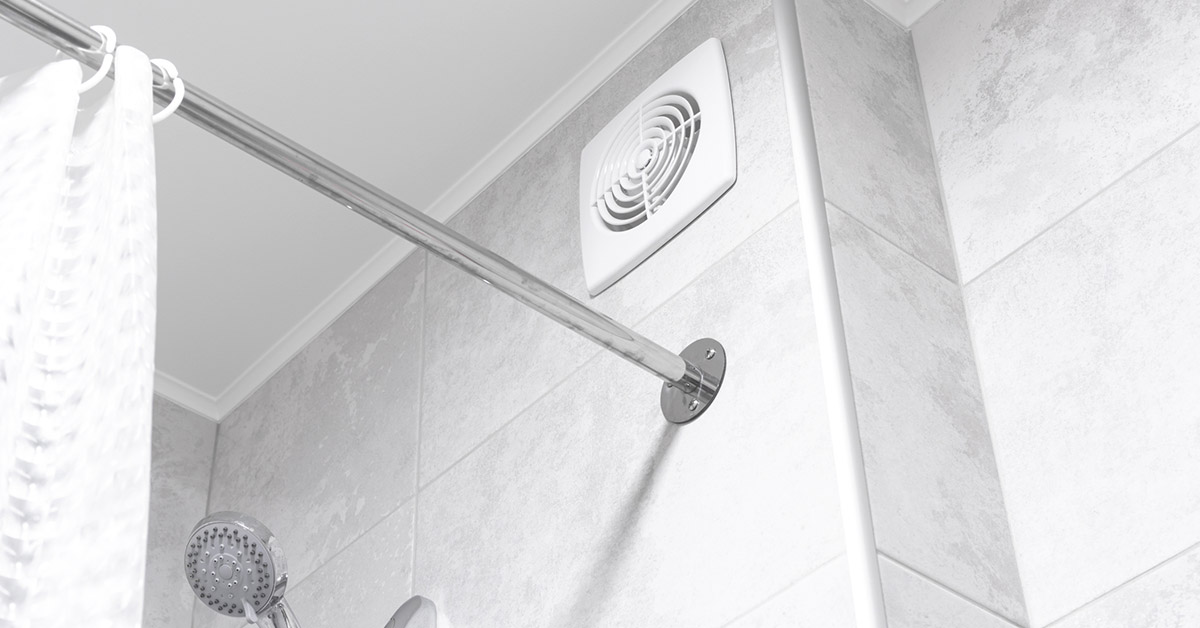
- Using bathroom fans after showering
- Running kitchen exhaust fans while cooking
- Maintaining adequate indoor heat
- Improving airflow throughout the home
- Cleaning and drying spills immediately
Mold spores naturally exist in the environment, but visible organic growth typically occurs when moisture is left untreated. Early communication and fast response are essential to minimizing property damage and maintaining a healthy living environment.
Protecting Owners and Residents
Our goal is always to:
- Protect the long-term condition of the property
- Address concerns quickly and professionally
- Support resident health and comfort
- Minimize risk through documentation, testing, and proper remediation procedures
Mold concerns can feel alarming, but with a knowledgeable and systematic response, they can be managed effectively and responsibly.
At Evergreen Property Management, we remain committed to proactive maintenance, resident communication, and protecting your investment every step of the way.