
How Much Do Turnovers Cost Between Tenants?

Owners often want to know how much a turnover will cost them between tenants. Here is what we’re seeing in the industry for costs and labor to turnover a single family home. Costs for condos, apartments and ADUs may be slightly less. Turns are a necessary business expense and money spent during a turn is reinvested into the property to reduce vacancy time and maximize rental amount and property value.
Light Turn: $1,500–$2,500
Typically includes:
- Deep cleaning
- Paint touch-ups
- Minor repairs / handyman work
- Carpet cleaning
Best-case scenario.
The tenant moves out and the home is in excellent condition. The unit has been well maintained throughout the tenancy, there’s no deferred maintenance, the yard is in good shape, and the tenant has already done a thorough clean. Repairs are minimal and limited to normal wear and tear. In most cases, the tenant receives their full security deposit back.
Occurs about 30% of the time.
Medium Turn: $3,500–$6,000
Typically includes:
- Deep cleaning
- Wall-to-wall paint in multiple rooms
- Minor repairs
- Deferred maintenance items
- Carpet cleaning
- Landscaping clean-up
Most common scenario.
The tenant moves out with typical wear and tear. Some costs may be offset by security deposit deductions allowable by Oregon law ORS90, but the home still needs a full deep clean, fresh paint in many rooms, and repairs to items like cabinets, door hardware, and wall dents and dings. Deferred maintenance—such as decks, railings, or other aging components—needs to be addressed before re-renting. Landscaping usually requires a full reset: mowing, weed pulling and spraying, blackberry removal, and tree trimming.
Occurs about 50% of the time.

Heavy Turn: $7,000–$11,000
Typically includes:
- Damage above normal wear and tear (partially offset by security deposit)
- Wall-to-wall paint throughout
- Minor repairs
- Appliance updates or replacements
- Significant deferred maintenance
- Strategic upgrades (lighting fixtures, etc.)
- Carpet cleaning including pet stain mitigation or carpet replacement
- Major landscaping overhaul
Tough/Deferred Maintenance scenario.
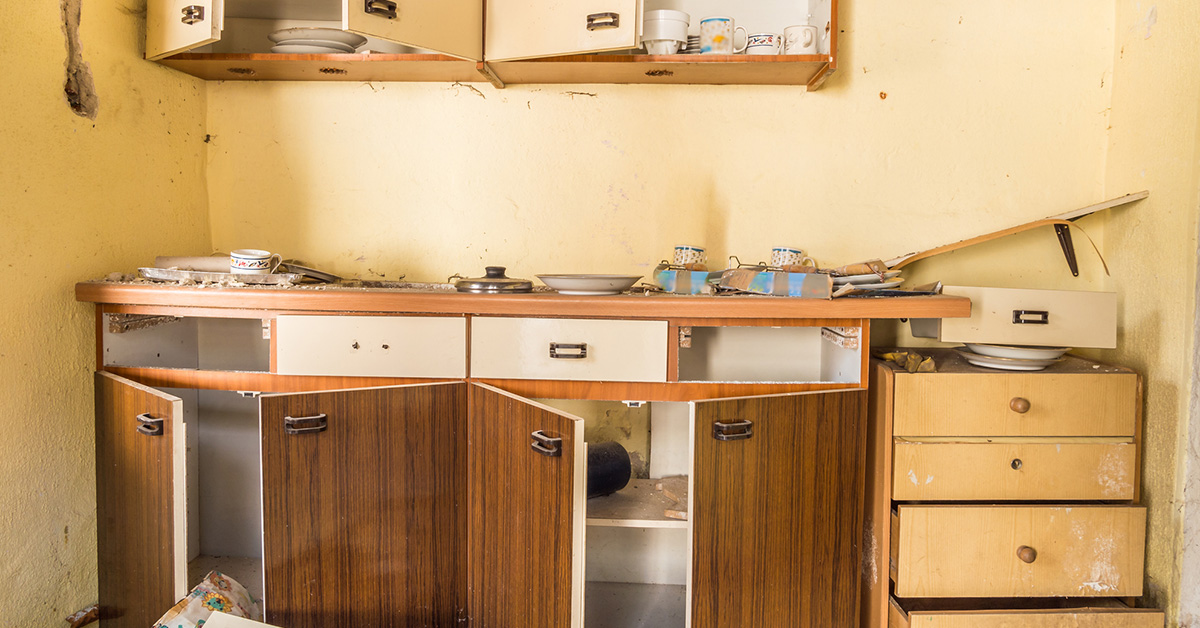
This often involves a long-term tenant or a tenant who was hard on the property—late payments, eviction, or neglect or a property that has been rented long term accruing deferred maintenance. Damage exceeds normal wear and tear, and while the security deposit helps, it rarely covers the full scope of work needed to bring the home back to rent-ready condition and achieve top market rent. Extensive painting, appliance updates, larger deferred maintenance items (windows, doors, railings), and a full landscaping overhaul are common.
Occurs about 20% of the time.
Should I Do My Own Turn to Save Money?
Before deciding to handle a turn yourself, consider the following:
- Time adds up fast
A plumber may fix a faucet in one hour. For an owner, that same job can take three hours when you factor in research, multiple trips to Home Depot, and trial and error. Was it really worth your time? - Your time has value
Most owners have full-time professional jobs and family responsibilities. Weekends are meant for rest, not turning a rental into a second job. In many cases, you earn more in your career than you save by doing the work yourself. This includes time spent researching, scheduling and managing vendors - Quality matters
DIY work often looks like DIY work. Poor paint jobs, uneven flooring, or sloppy repairs can hurt the property’s appeal and rental value. Be honest—does it look professionally done? - Energy and opportunity cost
Our teams can complete a full turn in weeks. Owners doing it themselves often take months because time and energy are limited. Those months translate into lost rental income—often far more than the money saved by doing the work yourself.
How to Prepare for a Turn: Mentally, Emotionally, and Financially
Tenant turnovers are a normal and expected part of owning rental property. Being prepared ahead of time makes the process far less stressful.
Mental Preparation
- Expect wear and tear. Even great tenants leave behind some level of use. A turn doesn’t mean something went wrong—it means the home was lived in.
- Plan for the likely scenario, not the best case. While light turns do happen, medium turns are the most common. Planning for this avoids frustration and surprise.
- Think long-term. A properly completed turn protects your asset, attracts better tenants, and supports higher rent.
Emotional Preparation
- Don’t take it personally. Tenants rarely leave a home exactly the way they found it. Damage and wear are part of the business, not a reflection of you or your property.
- Stay objective. Focus on what’s needed to make the home rent-ready, not on what should have been done by the tenant.
- Trust the process. Turns can feel chaotic in the moment, but they are temporary. A structured plan keeps emotions out of decision-making.
Financial Preparation
- Maintain a turn reserve. We recommend setting aside funds in advance so turn costs don’t feel overwhelming when they arise. Set aside $100-200 per month to accrue for turn costs.
- Understand what security deposits do—and don’t—cover. Deposits help offset damages but rarely pay for a full turn.
- View turns as an investment, not a loss. Money spent during a turn is reinvested into the property to reduce vacancy time and maximize rental amount and property value.
Being mentally, emotionally, and financially prepared turns what can feel like a stressful event into a predictable and manageable part of owning rental property.