
How Overpricing Your Rental Can Cost You Money

One of the most common conversations property managers have with owners/investors centers on rent pricing. Owners often push for “top market rent,” believing it will maximize returns, but achieving the highest rent isn’t always the best strategy for long-term performance.
While top rents can be appealing, they can come with hidden costs, including longer vacancy periods, increased turnover, and missed opportunities to build long-term tenant relationships. Understanding this distinction is a critical part of investing in rental properties.
HIGHEST POSSIBLE RENT PRICE VS. COMPETITIVE RENT PRICE
Market rent is often defined as the highest price a unit might achieve under ideal conditions. Competitive rent, however, is the price point that maximizes long-term performance.
The difference matters. A property priced at the very top of the market typically attracts a smaller pool of applicants, increases days on market, and limits renewal probability. By contrast, a competitively priced property often leases faster, attracts financially savvy tenants, and retains tenants longer.
For property managers, the goal is not to win the highest possible rent in a single leasing cycle—it is to deliver increasing your overall turn on your investment.
PRICING PSYCHOLOGY AND TENANT BEHAVIOR
Rent pricing influences more than affordability; it shapes tenant perception and behavior. Tenants paying at the absolute top of the market often have elevated expectations and less tolerance for minor inconveniences. This can lead to increased maintenance requests, faster dissatisfaction, and higher likelihood of non-renewal.
Conversely, tenants who feel they are receiving strong value are more likely to:
- Stay longer
- Renew with moderate increases
- Take better care of the property
- Communicate proactively rather than reactively
Pricing strategy plays a critical role in tenant retention, yet it is often overlooked in leasing strategies.
VACANCY IS THE SILENT PROFIT KILLER
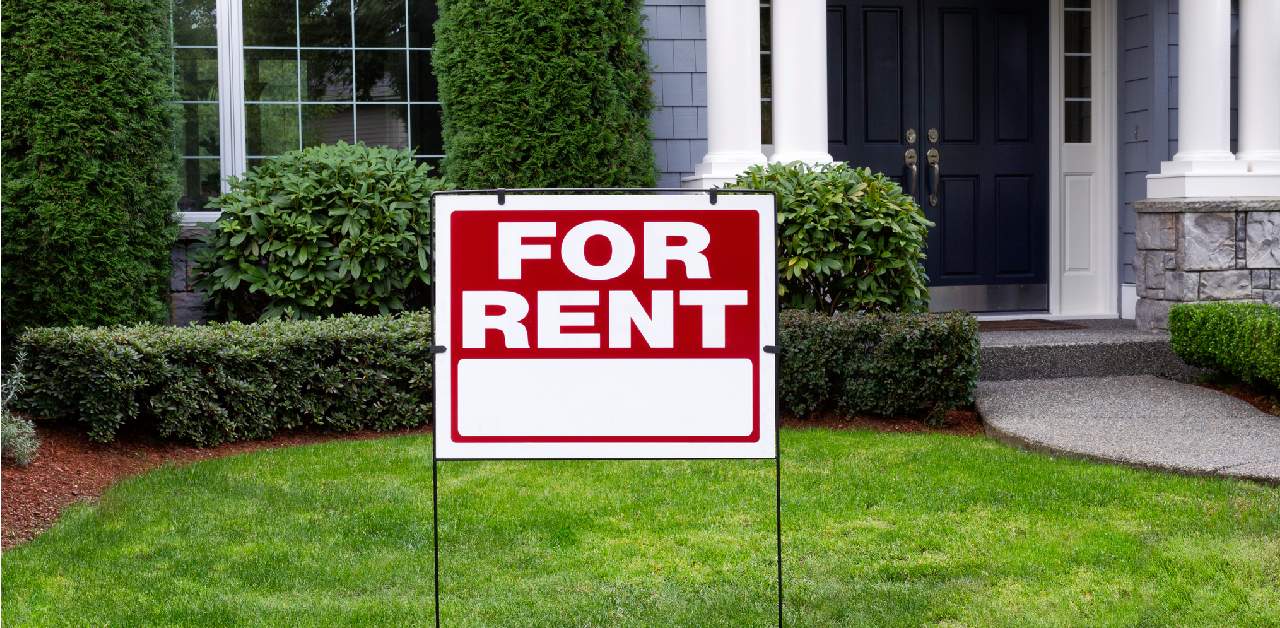
Even small increases in vacancy can quickly erase the benefit of higher rent. A unit priced $100 above optimal rent may sit vacant an extra two to four weeks, immediately negating any projected gain.
From an owner’s perspective, it’s easy to focus on monthly rent. From a fiduciary perspective, managers must evaluate performance through total returns. Reducing vacancy by even a few days per year often produces better net results than pushing rent to the top of the market.
RENEWAL PROBABILITY AND LONG-TERM VALUE
Tenant turnover is expensive. Make-ready costs, leasing fees, vacancy loss, and administrative time all compound when residents move out frequently. One of the most effective ways to reduce turnover is to set a fair price at the beginning of the lease.
Tenants who begin their lease at a sustainable rate are more likely to renew, accept moderate increases, and remain long-term.
FIDUCIARY RESPONSIBILITY IN PRICING DECISIONS
Property managers are entrusted to act in the owner’s best interest, which includes protecting net income and preserving asset value. Chasing top market rent without regard to vacancy, tenant stability, or renewal probability can conflict with that responsibility.
Optimal pricing is about balancing revenue potential with operational efficiency and risk management.

LONG TERM PERFORMANCE WINS
Our goal isn’t just to achieve the highest rent possible—it’s to maximize your net income over time. Remember, properties priced at the top of the market often sit longer, and even a few extra weeks of vacancy can erase the benefit of a higher rent.
Pricing slightly below peak market levels tends to attract stronger applicants and increase the likelihood of lease renewal. Tenants who feel they’re receiving value are more likely to stay longer and take better care of the home. This pricing strategy reduces turnover costs, vacancy loss, and leasing expenses over time. Our recommendation is based on performance data and experience—not just what the market might bear on paper.