
Tenant-Caused Damage and Chargebacks
At Evergreen Property Management, in-tenancy inspections aren’t just about checking boxes. They’re about identifying issues early, protecting the property, and, when necessary, determining whether tenant-caused damage is occurring and when it’s appropriate to take action.
What Is “Normal Wear and Tear”?
Some things immediately fall into the category of normal living. There might be light wear forming in the carpet where people walk most often. Maybe a few minor scuffs on the walls or some dust buildup in less-used areas. These are expected. Homes are meant to be lived in, and ORS Chapter 90 makes it clear that normal wear and tear is not something a tenant can be charged for—during tenancy or after.
What Counts as Tenant-Caused Damage?
But then there are the moments that cause an inspector to pause.
A strong pet odor that wasn’t present before. Stains forming in the carpet that suggest more than everyday use. Grease accumulating on kitchen surfaces well beyond what routine cleaning would prevent. These aren’t just signs of wear—they’re early indicators of potential damage.
Evergreen’s Inspection Process
Waiting until move-out to address issues can turn a minor problem into a costly repair. That’s why Evergreen’s approach is proactive. When something crosses the line from normal wear into tenant-caused damage, the goal is to address it early—clearly, professionally, and with documentation.
The distinction follows the legal framework under ORS 90- Oregon Landlord Tenant Law.
Normal wear and tear? That’s expected, and no action is taken.
But damage caused by negligence, misuse, or lack of care? That’s where things shift.
Categorization of Findings
During an inspection, Evergreen typically categorizes findings into three groups:
- Conditions that are acceptable and expected
- Issues that require tenant behavior and correction (but not necessarily a charge)
- Clear tenant-caused damage that may result in a charge
That middle category is where most conversations happen.
Addressing Tenant Behavior
For example, if a tenant puts inappropriate items—such as toys, glass, or other foreign objects—down the garbage disposal or drain, this may not result in an immediate charge. Instead, they will typically receive a notice advising them to stop the behavior and properly maintain the plumbing. The goal is to give the resident an opportunity to correct the issue and avoid further damage. However, if the problem continues or results in a clog or plumbing repair, the cost of clearing the blockage or fixing the damage may be charged back to the tenant.
Tenant Chargeback
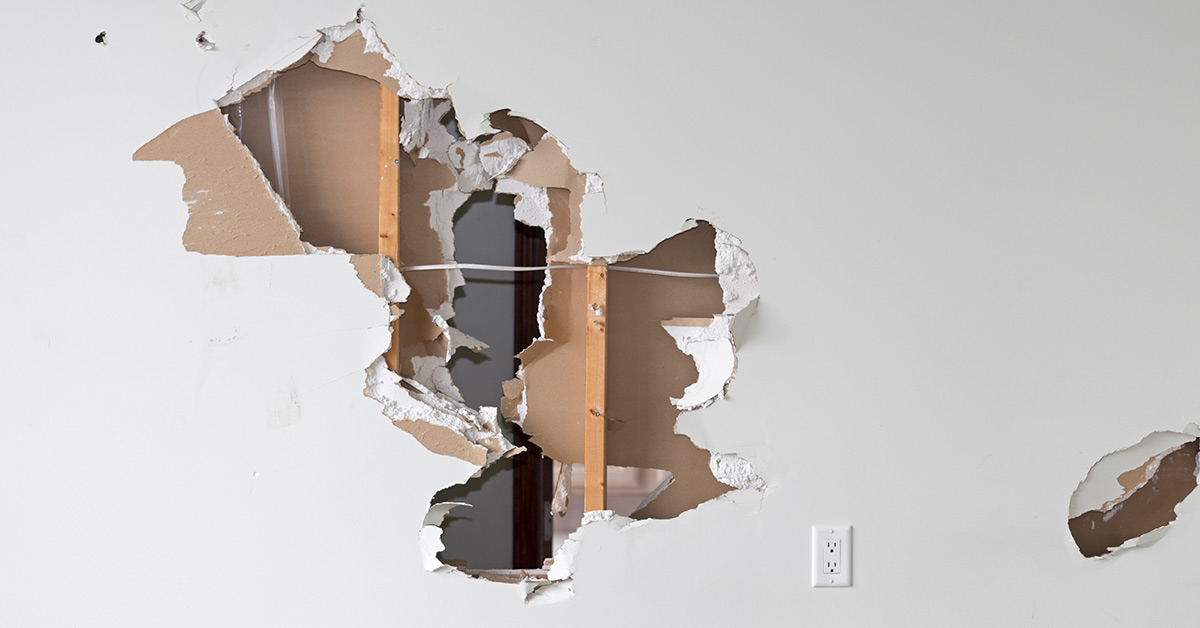
If there is clear, immediate damage—such as a broken fixture, a large hole in the wall, or significant staining—Evergreen may move forward with addressing the repair and charge the tenant accordingly. In these cases, the decision is guided by the same principles used at move-out, but with an added layer of urgency.
The question becomes: Is this damage that needs to be fixed now to prevent further deterioration of the property?
If the answer is yes, action is taken.
Documentation and Compliance
Documentation is just as critical during tenancy as it is at the end of a lease.
Photos are taken. Notes are recorded. Communication is sent to the tenant outlining what was observed, what is expected, and what the next steps are. If a charge is applied, it must still meet the same standards under Oregon law—reasonable, supported, and clearly documented.
In many cases the inspection serves as a reset point.
Tenants may not always realize that something has crossed the line from wear into damage. Inspections provide that clarity. It reinforces expectations and helps avoid surprises later on. And for property owners, it ensures that small issues don’t quietly turn into major expenses.

Tenant Chargebacks on Your Income Statement
When tenant-caused damage is identified by the inspector, our team will dispatch a vendor to repair that item, and a charge for the damage will initially be deducted from your owner statement to pay the vendor for the repair. Our accounting team then transfers the cost to the tenant ledger and tenants typically pay within 60 days. Evergreen does not float funds to pay for vendor invoices.
The amount charged to the tenant is based either on the actual cost shown on the vendor’s invoice or, for higher-cost items like appliances, carpet, or cabinets, on the item’s depreciated value. Because these items lose value over time, the tenant is only responsible for the remaining useful life at the time of damage or replacement.
Inspections are the Key to Effective Property Management
A home that’s maintained during tenancy performs better over time. Repairs are smaller. Turnover is smoother. And relationships between residents and property management tend to be more cooperative when expectations are communicated early instead of enforced all at once at move-out.
At Evergreen, the goal of these inspections is not just to identify problems, but to manage them in a way that’s documented, timely, and consistent.
And when that’s done well, inspections stop being reactive—and start becoming one of the most valuable tools in protecting both the property and the people living in it.